Where Kerala goes to cool off
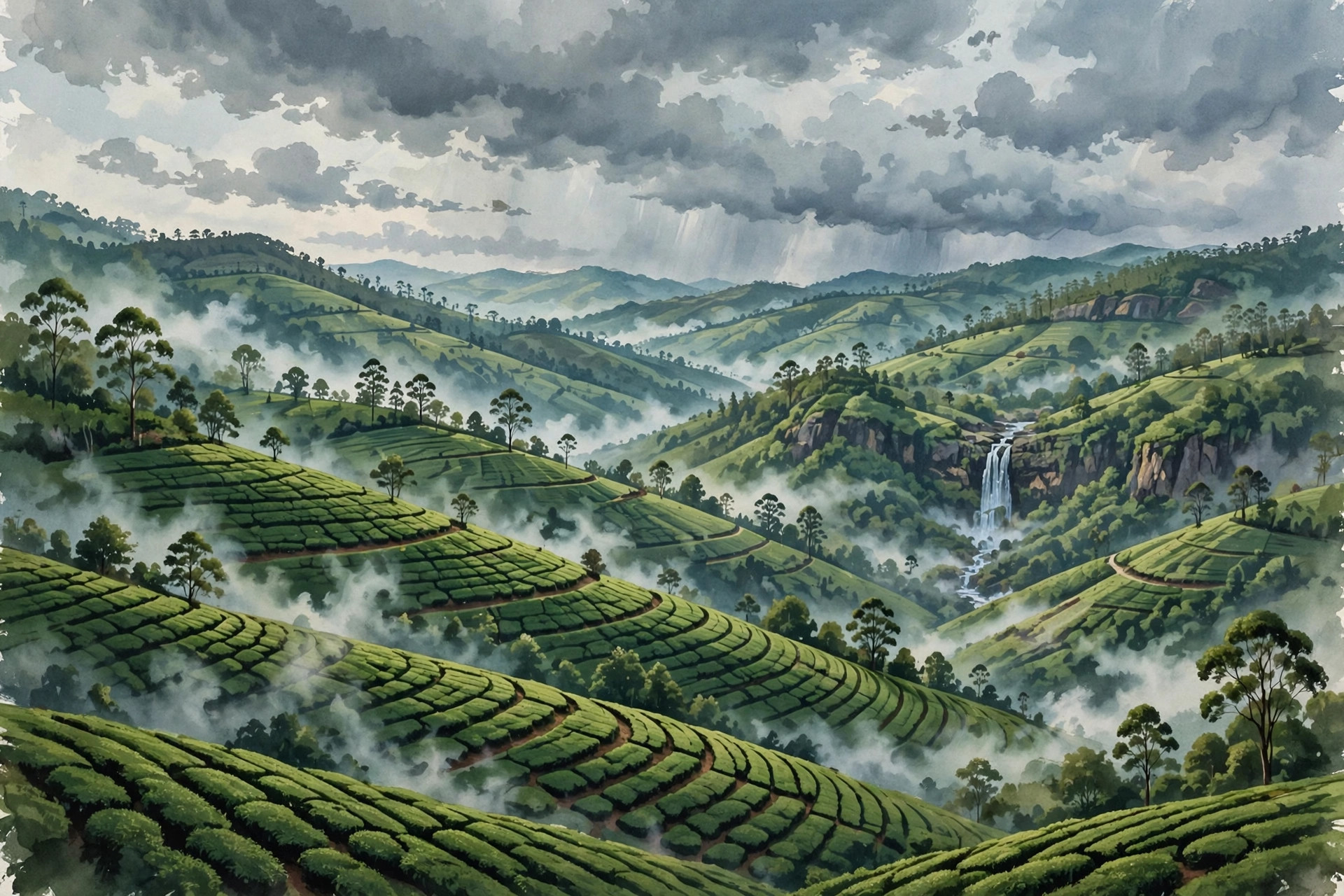
Rise 1,600 meters out of the coastal heat and Kerala changes completely: tea estates comb the hills in manicured green waves, the air smells of eucalyptus and cardamom, and the mist does whatever it wants. The Western Ghats — the mountain chain running down India's west coast — were inscribed as a UNESCO World Heritage Site in 2012, and 19 of the 39 serial sites lie in Kerala, including Eravikulam, Periyar Tiger Reserve, and Silent Valley Verified Oct 2026. This is the cool, green, high-altitude counterweight to everything else in the state, and in April and May it's where half of Kerala seems to flee the heat.
Where in Kerala
Illustrated treasure map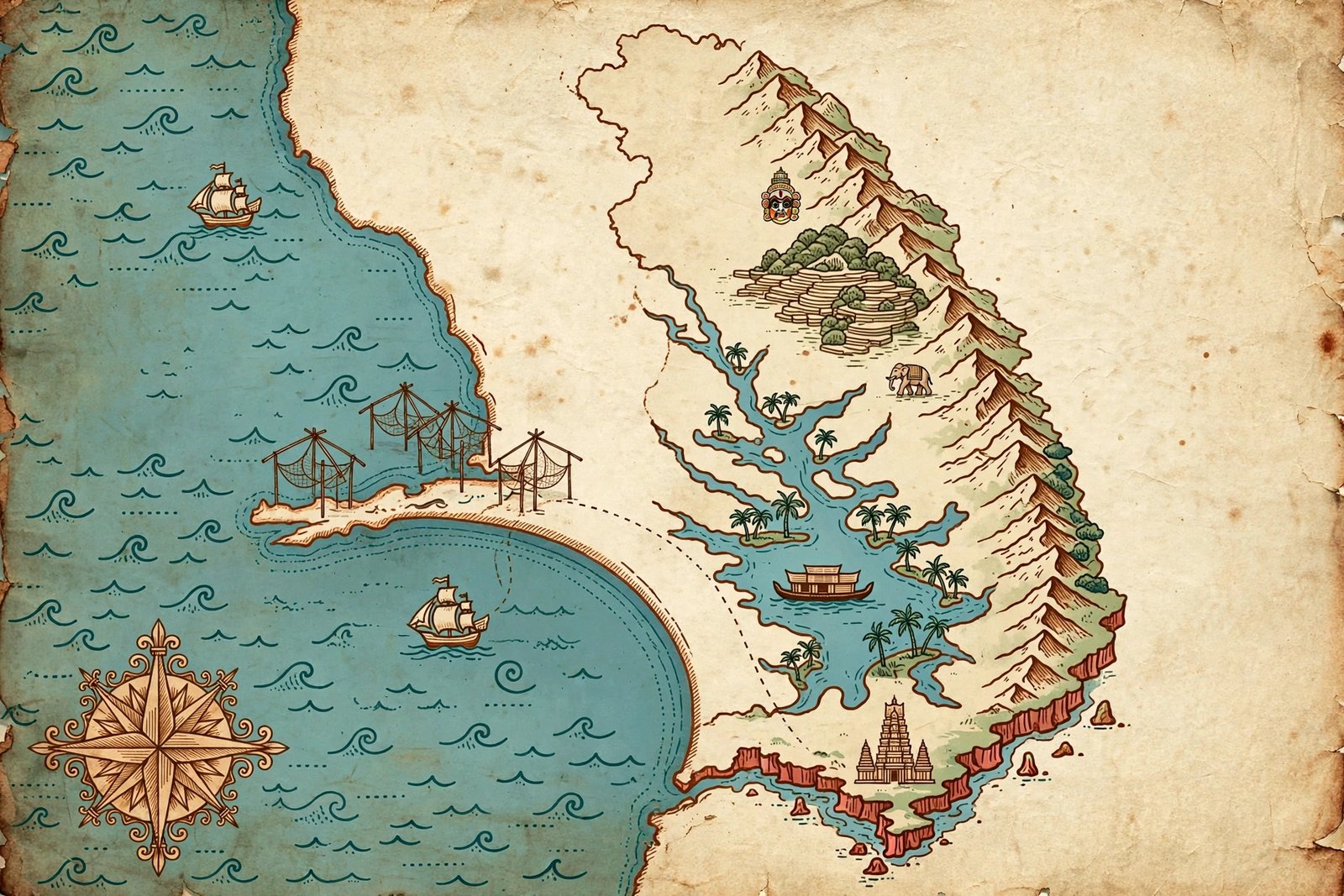 Bekal
Kannur
Wayanad
Kozhikode
Thrissur
Kochi
Munnar
Marari
Alappuzha
Kumarakom
Thekkady
Varkala
Thiruvananthapuram
Kovalam
Bekal
Kannur
Wayanad
Kozhikode
Thrissur
Kochi
Munnar
Marari
Alappuzha
Kumarakom
Thekkady
Varkala
Thiruvananthapuram
Kovalam
Illustrated treasure map. Not for navigation. Open in Google Maps ↗
Munnar: the tea capital
Munnar is Kerala's most-visited hill destination for a reason — Idukki district drew 4.68 million domestic visits in 2025, the highest of any district in the state Verified Oct 2026 — and its popularity is also its problem. The town itself is congested and skippable; the magic is in the estates around it.
Do this: arrive early (before 9 AM the viewpoints are yours), walk a tea estate with a guide rather than just photographing it, visit a working tea factory to see orthodox processing, and spend a morning in Eravikulam National Park — home of the endangered Nilgiri tahr, and the only place in the world it lives wild. Top Station at sunrise, when the valley fills with cloud, is the classic Munnar photograph and it earns it.
Skip or minimize: the town's commercial strip, the "spice garden" tourist traps on the approach roads (real spice country is Thekkady), and any itinerary that gives Munnar a single rushed afternoon. Two full days minimum; three if you want to hike. The full town-level playbook is on our Munnar page.
Thekkady: elephants and spice
Two to three hours south of Munnar, Thekkady is the gateway to Periyar Tiger Reserve — one of the 19 Kerala sites in the UNESCO Western Ghats listing Verified Oct 2026. The headline activity is the boat safari on Periyar Lake at dawn, when elephants, sambar, and wild boar come to drink. Manage expectations honestly: this is not an African-style game drive. Sightings are luck-dependent, the boats are shared and can be crowded, and the forest department's bamboo-rafting and guided trek programs are the better wildlife bet — smaller groups, quieter water, actual naturalists.
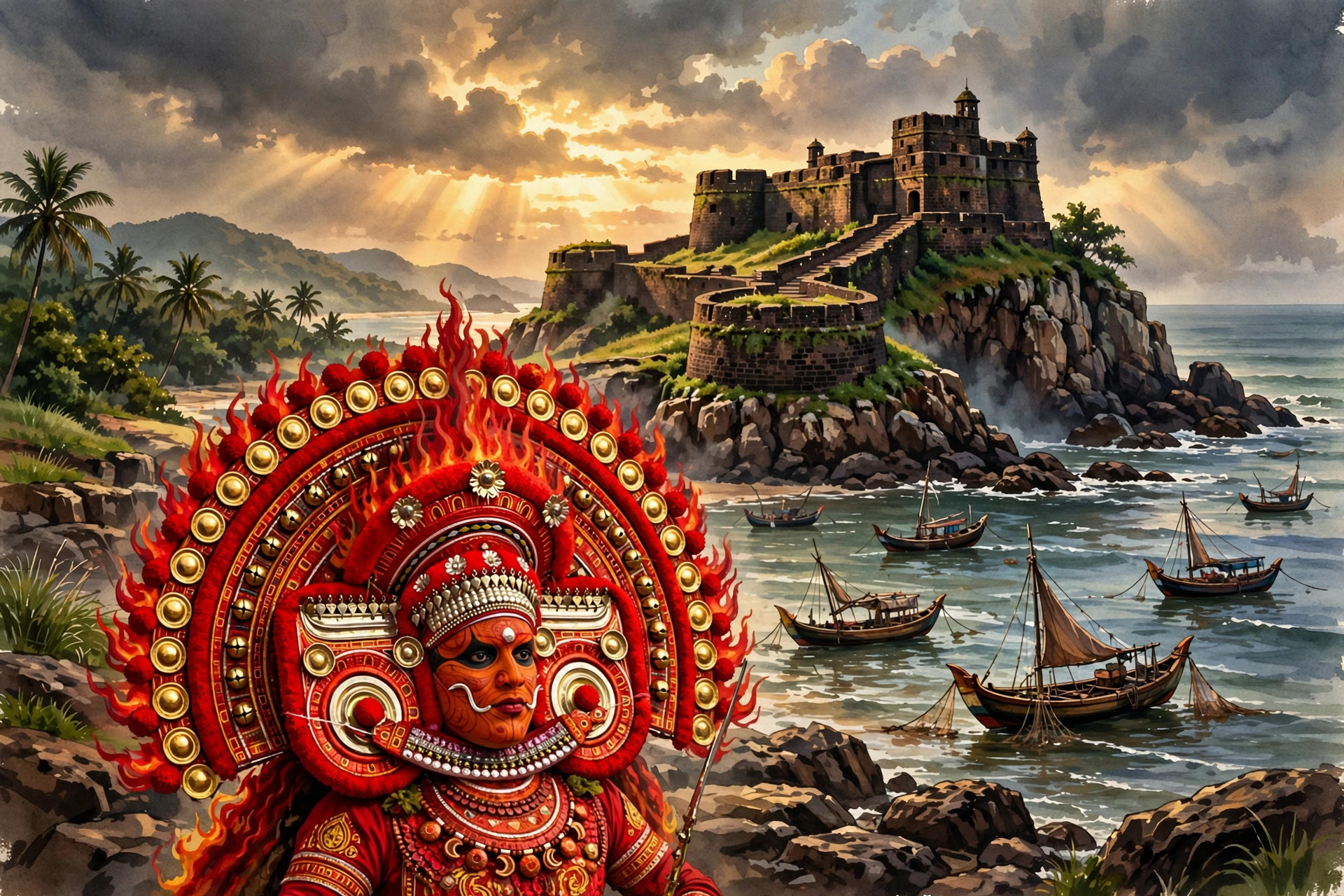
Thekkady's other half is spice country: cardamom, pepper, and cinnamon grow in the surrounding hills, and the spice-plantation walks here are legitimate — working farms, not showrooms. Kathakali and Kalaripayattu performances run nightly in town; they're tourist-oriented but genuinely skilled, and a fine first exposure if you won't catch the ritual versions in Malabar.
Wayanad: the beautiful, fragile north
Wayanad — misty plateaus, coffee and pepper plantations, Edakkal's ancient rock carvings — is the Ghats at their most dramatic, and the district drew 1.47 million domestic visits in 2025 Verified Oct 2026. It's also the cautionary tale. The July 2024 landslides killed at least 358 people check before you go, Kerala Tourism itself attributed a drag on 2024 arrivals to the disaster, and a July 2026 landslide near Kalladi triggered mass cancellations and a sharp monsoon-booking drop with spillover to Munnar, Idukki, and Vagamon check before you go.
The practical read: Wayanad in the dry months (October–May) is superb — trekking, waterfalls at full but safe flow, plantation stays. In peak monsoon (June–August), treat it as a calculated risk: check current conditions, avoid hillside stays during heavy-rain warnings, and have a Plan B. This isn't about fear; it's about a landscape whose exposure is recurring, not one-off.
Tours we're vetting for Munnar & the Western Ghats
We're lining up launch partners for guided tours in this region — operators we'd book ourselves. When we recommend one, we'll tell you exactly why, and any commission will be disclosed here.
No paid placements yet — when affiliate links go live here, they will be disclosed.
Planning the hill circuit
- Order matters: most travelers do Kochi → Munnar → Thekkady → (backwaters or Madurai onward). The Munnar–Thekkady road is spectacular; budget half a day for it.
- Pack for 10–20°C even when the coast is 32°C. Munnar evenings are genuinely cold December–February — fleece, not just a shawl.
- Leeches on monsoon forest treks. Salt, long socks, acceptance.
- Book Eravikulam and Periyar activities ahead in season; the good slots (first boat, morning treks) go first.
- Altitude is moderate (~1,600 m at Munnar) — no acclimatization drama, but the winding roads are the real hazard. Hire drivers who know the ghats; the hairpins are not the place to discover your motion sickness.
Four to five days across Munnar and Thekkady, plus a night or two in Wayanad if the season's right, is the complete hill experience. Pair it with the backwaters or the coast and you have Kerala's classic two-act trip.