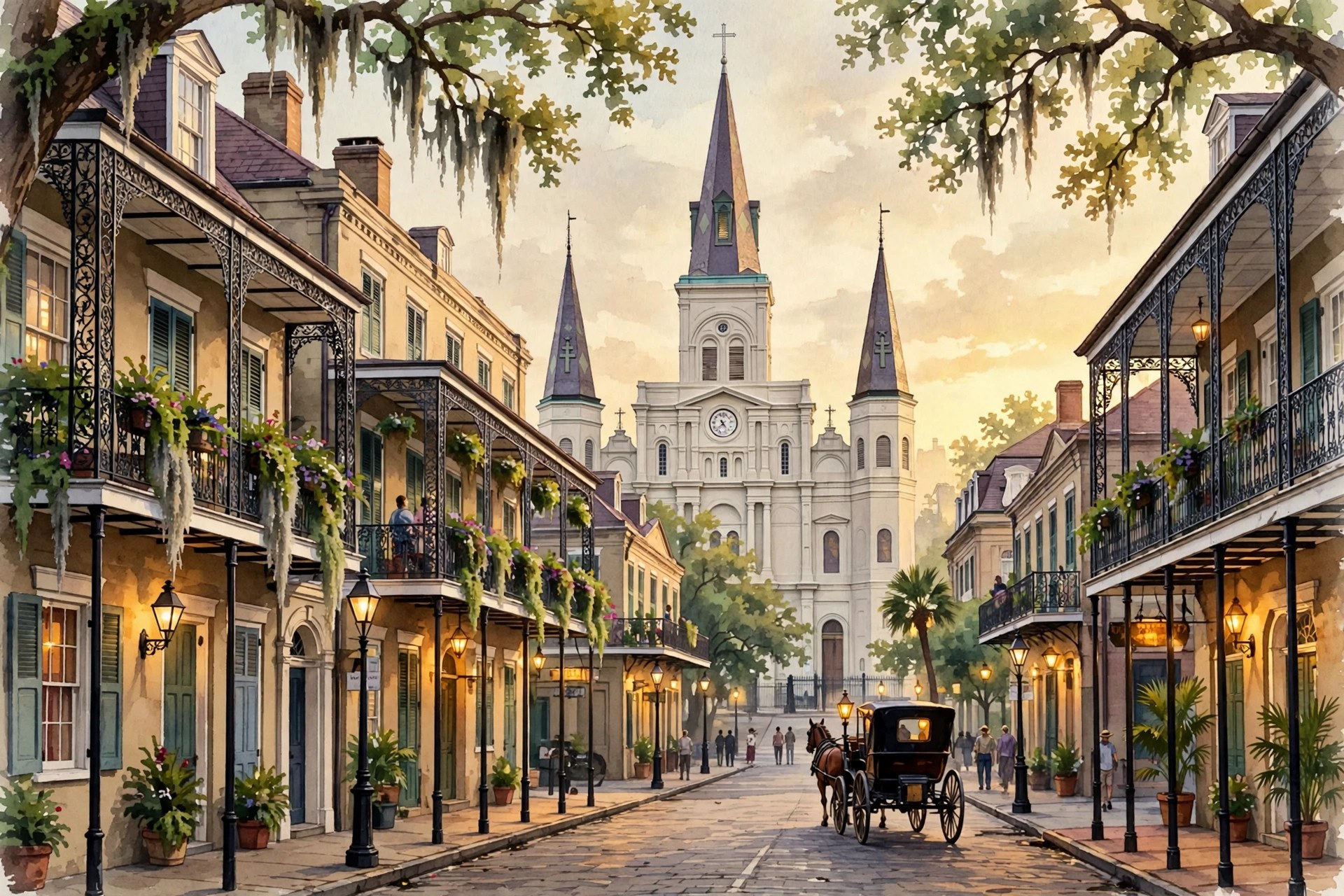
The city where the culture never left the street
New Orleans is best approached not as Bourbon Street plus Mardi Gras, but as a city where the tourism product and everyday culture are unusually intertwined. Its competitive advantage is the concentration of living Black, Creole, French, Spanish, Caribbean, and Gulf South traditions, music, food, architecture, parading, and neighborhood life, all inside a relatively compact urban area. Jazz was born here, at the meeting of African and Caribbean musical traditions at Congo Square and the brass bands of Black neighborhood parading. That lineage is still audible on any given night.
Nearly 20 million visitors a year come for that combination check before you go. The strongest trip mixes food, music, and nightlife with Tremé, Uptown, City Park, the riverfront, and neighborhood history, and treats those neighborhoods as living communities rather than entertainment sets. This guide is built on that premise: twelve pieces, each dated honestly, covering the neighborhoods worth your days, the music and food that justify the trip, the festival calendar that moves hotel prices, and the practical layer underneath it all.
Where in New Orleans
Illustrated treasure map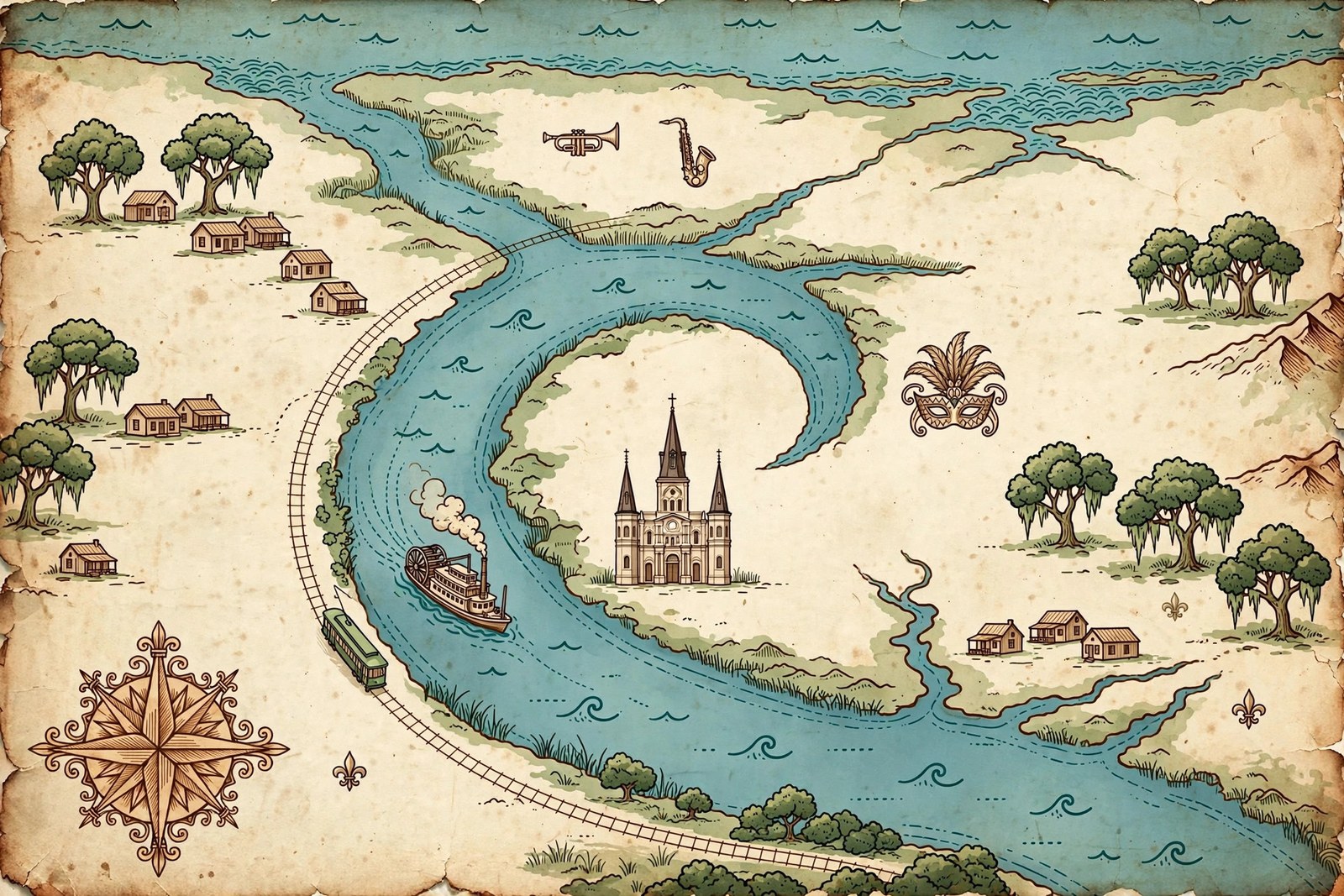 French Quarter
Jackson Square
Treme
Faubourg Marigny
Bywater
Garden District
Uptown
Carrollton
Mid-City
City Park
Algiers Point
Warehouse District
French Quarter
Jackson Square
Treme
Faubourg Marigny
Bywater
Garden District
Uptown
Carrollton
Mid-City
City Park
Algiers Point
Warehouse District
Illustrated treasure map. Not for navigation. Open in Google Maps ↗
Neighborhoods
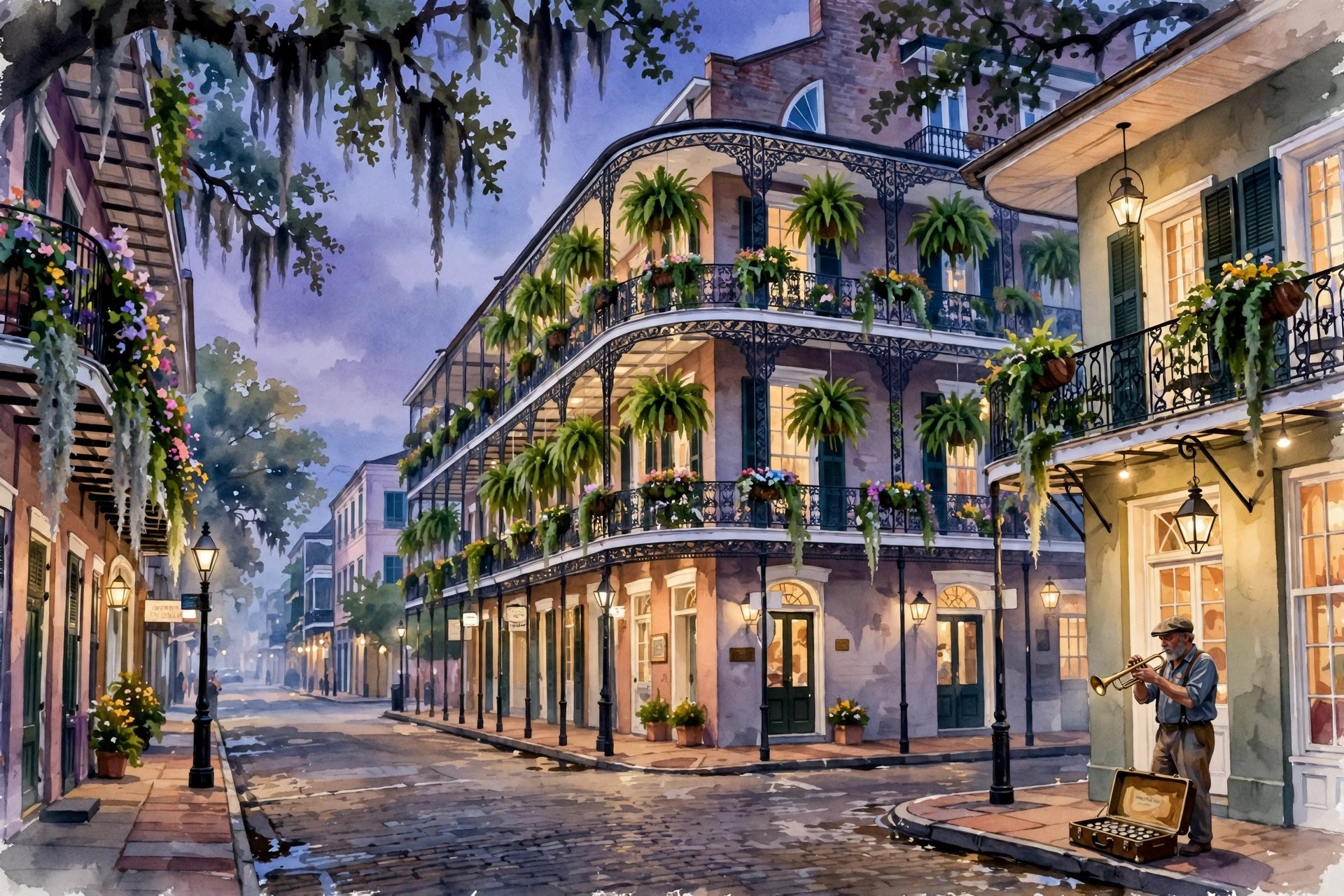
Jackson Square, Royal and Chartres, Preservation Hall, and the riverfront. The oldest neighborhood in the city — and the one that demands the most discernment.
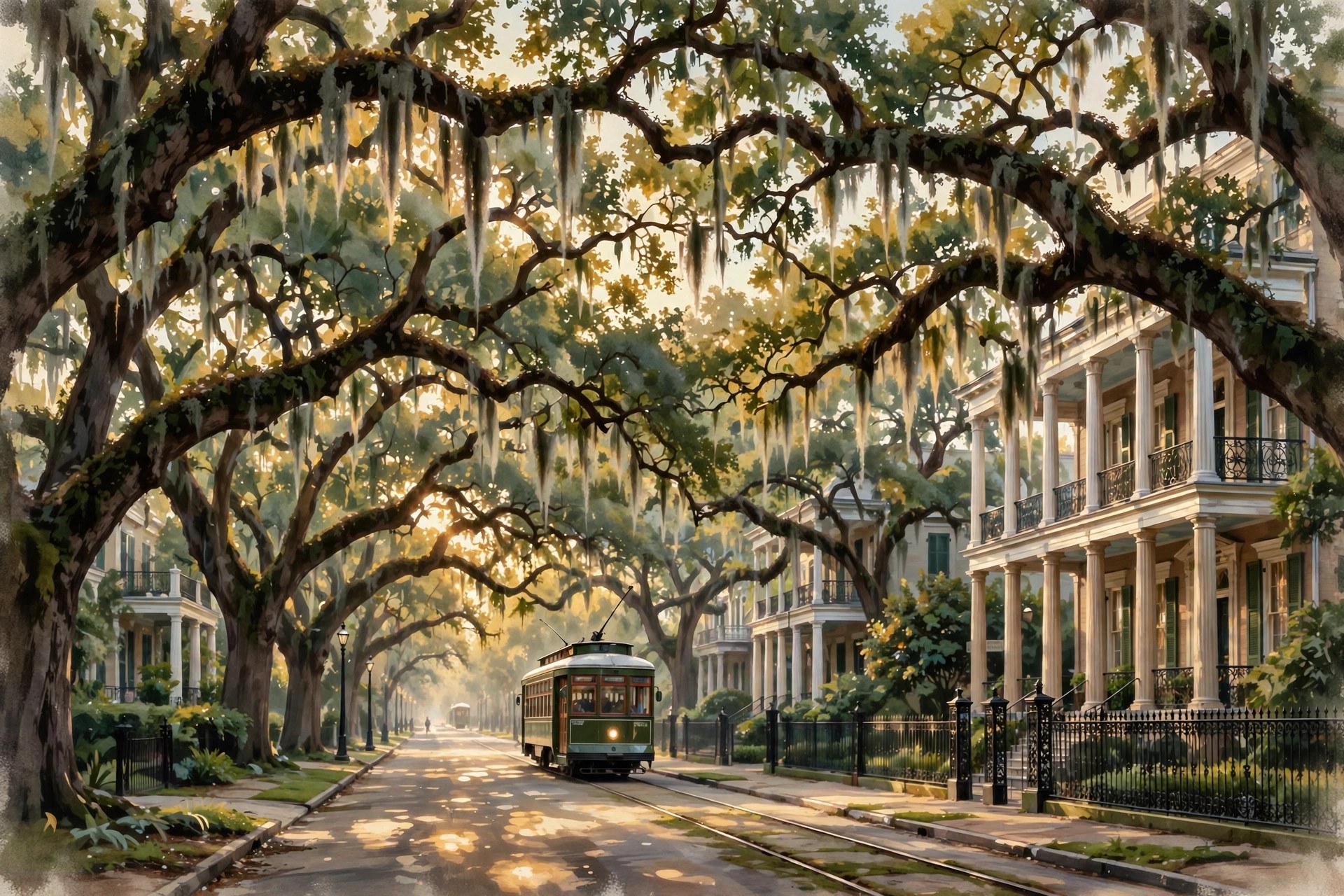
St. Charles streetcar, antebellum mansions, Magazine Street, and Commander's Palace. The quiet, green counterweight to the Quarter.
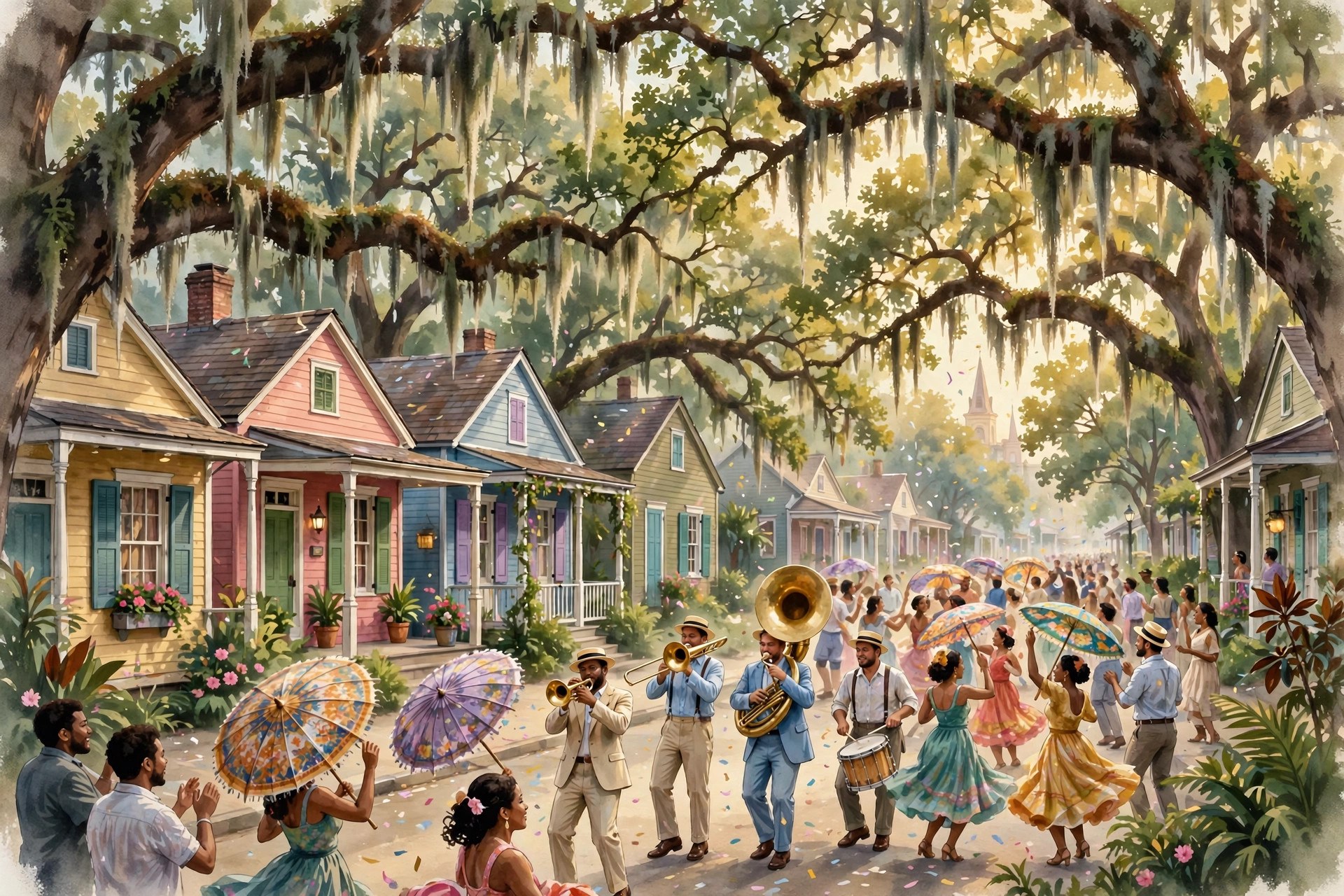
Congo Square, Louis Armstrong Park, Dooky Chase, and one of the oldest Black neighborhoods in America. Come with context, not just a camera.
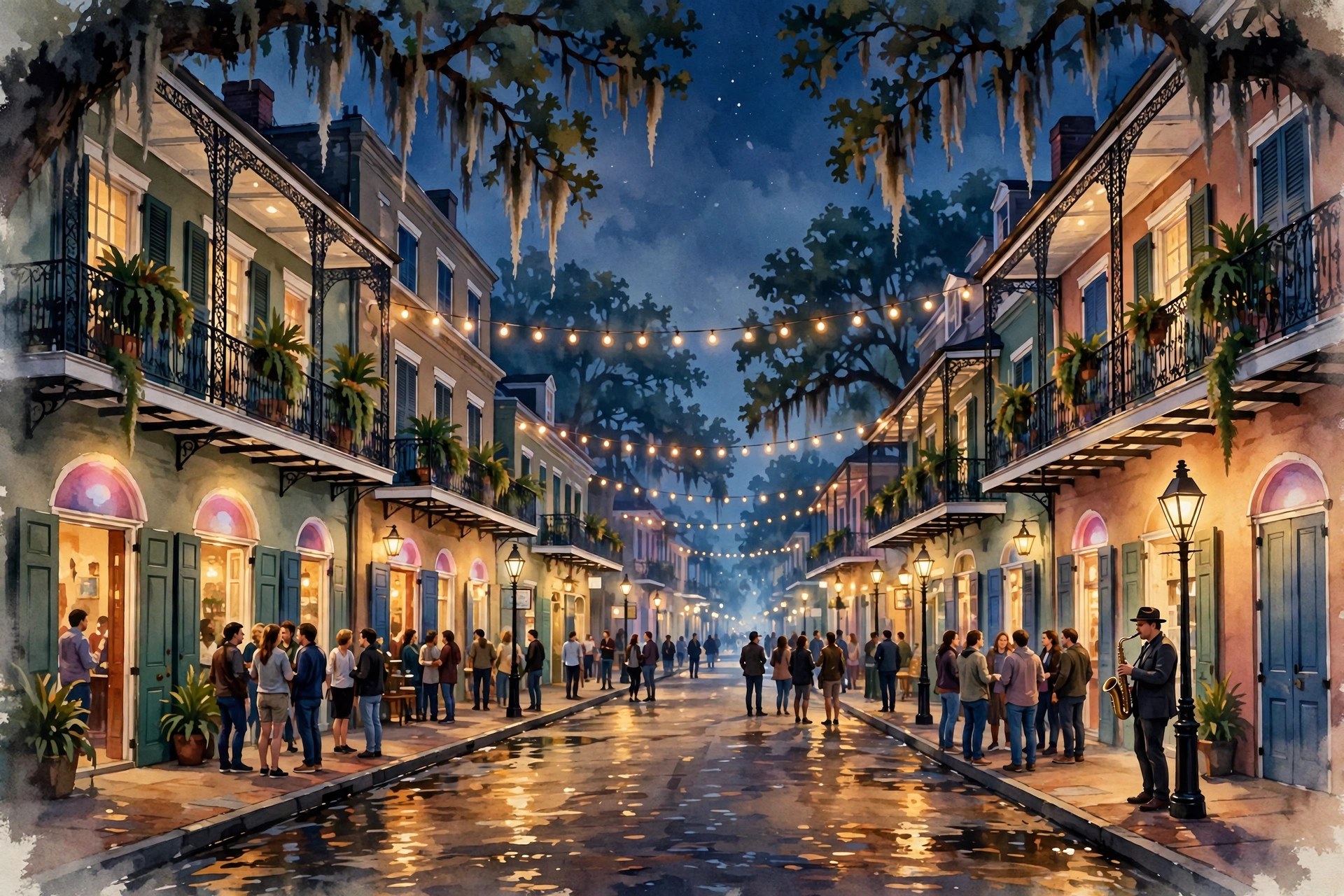
Frenchmen Street's clubs, Creole cottages, Crescent Park, and the art-and-café scene downriver. Where the music-first traveler sleeps.
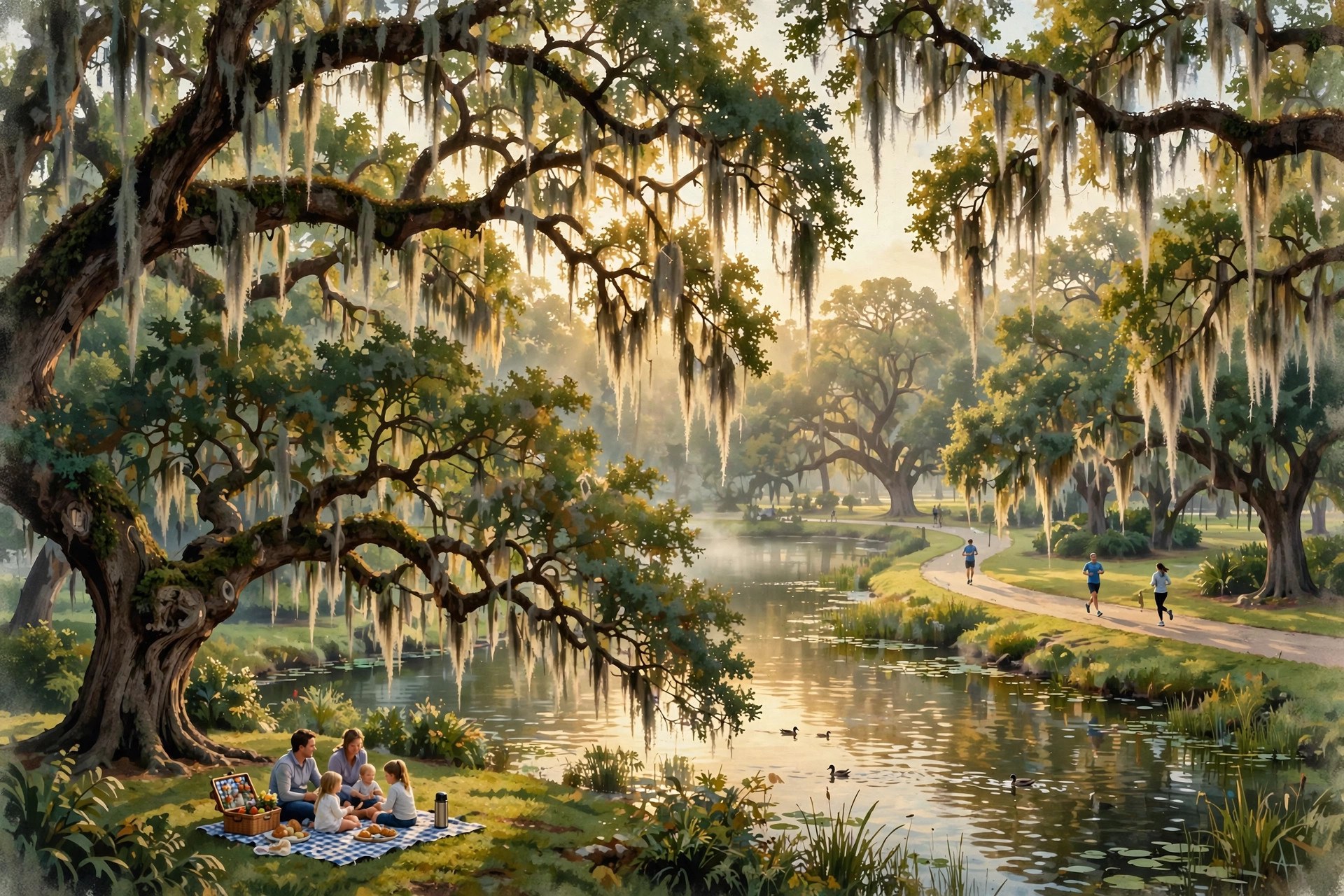
Tipitina's, the Maple Leaf, Magazine Street's long commercial spine, Audubon Park, and Carrollton's neighborhood rooms. Local New Orleans, at local pace.
Themes
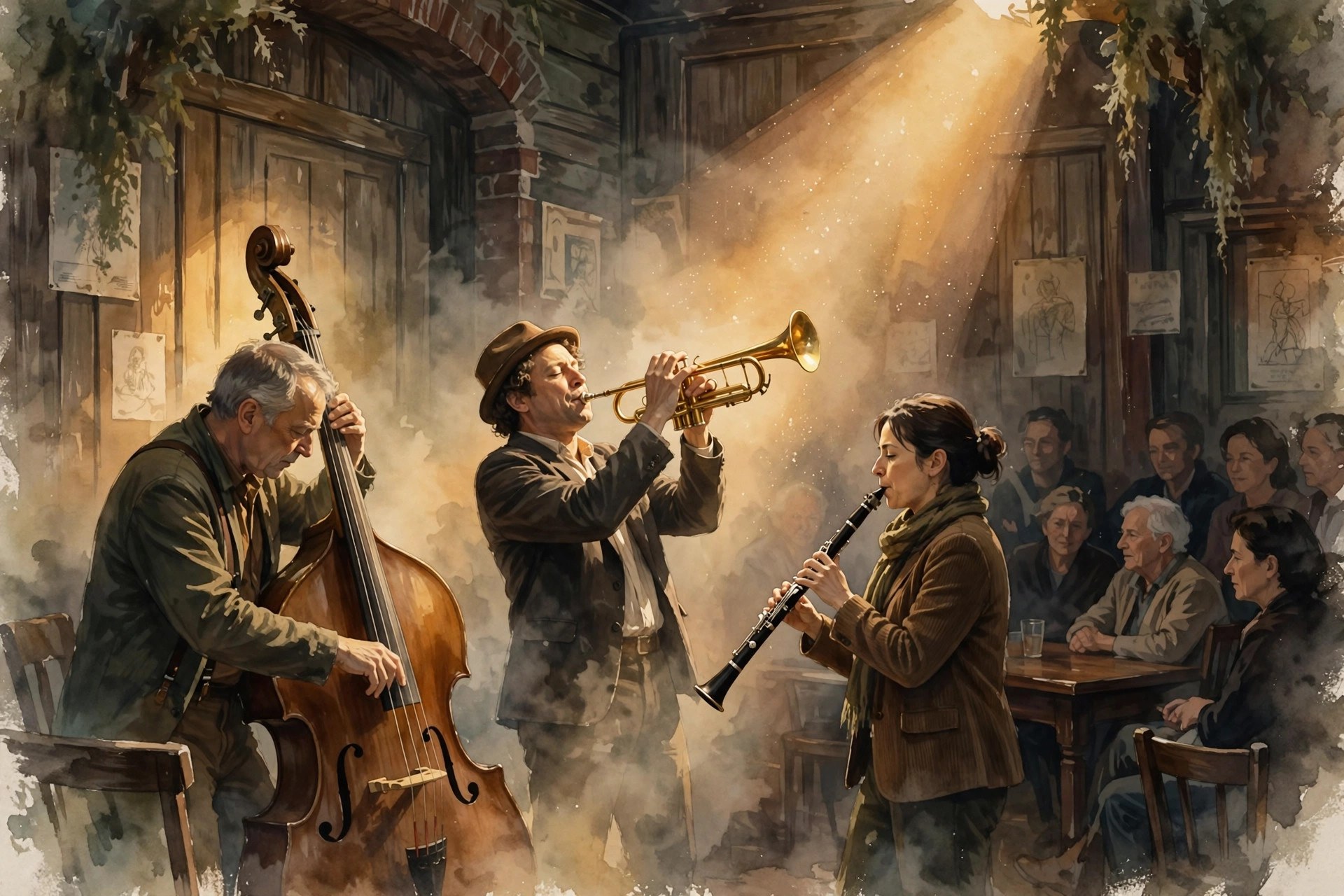
Jazz, brass bands, bounce, and second lines: where the music actually lives, from Preservation Hall to Frenchmen Street to the neighborhood clubs.
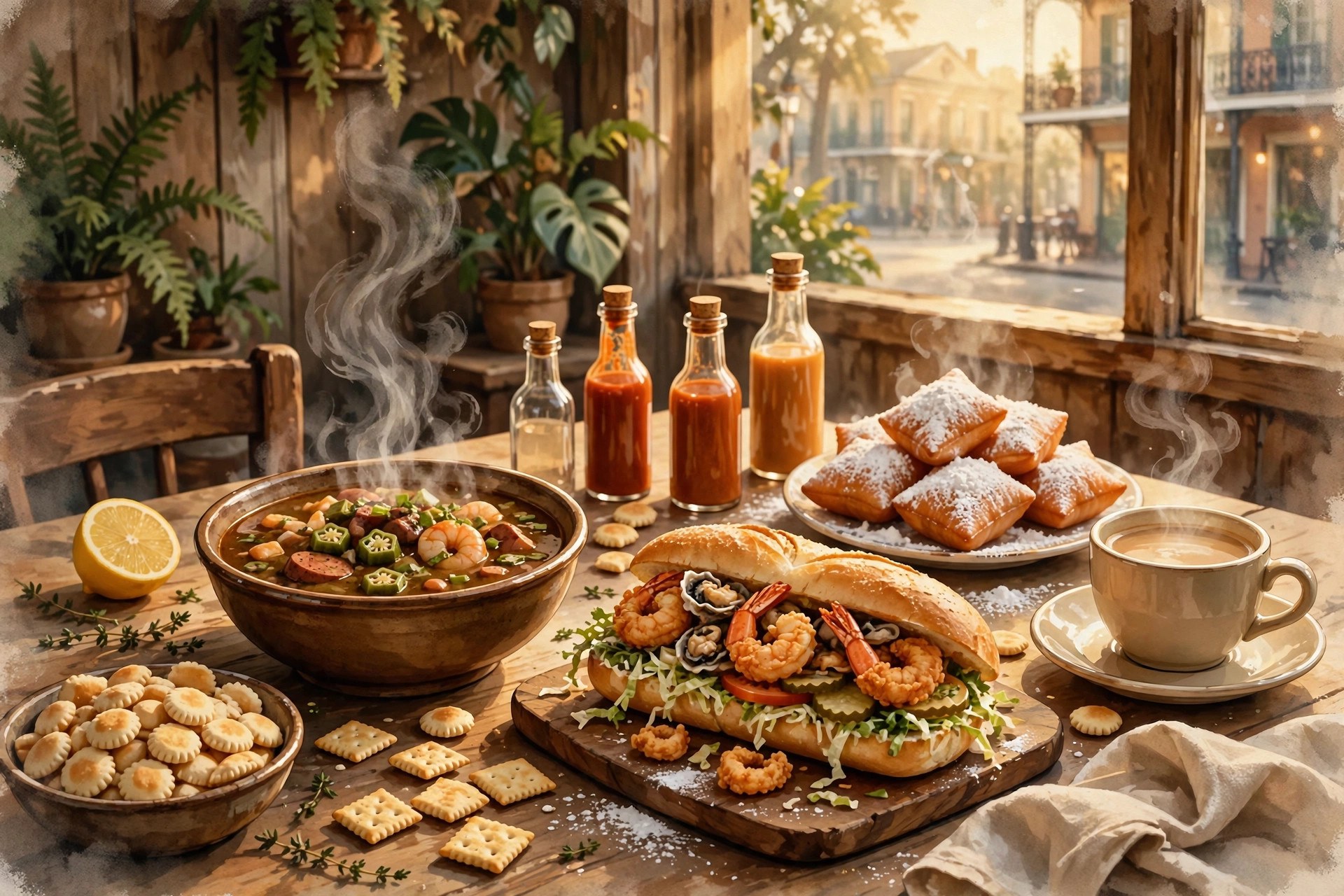
Gumbo, po'boys, beignets, and red beans on Monday — plus Creole fine dining, Vietnamese-Louisiana cooking, and why you must eat beyond the Quarter.
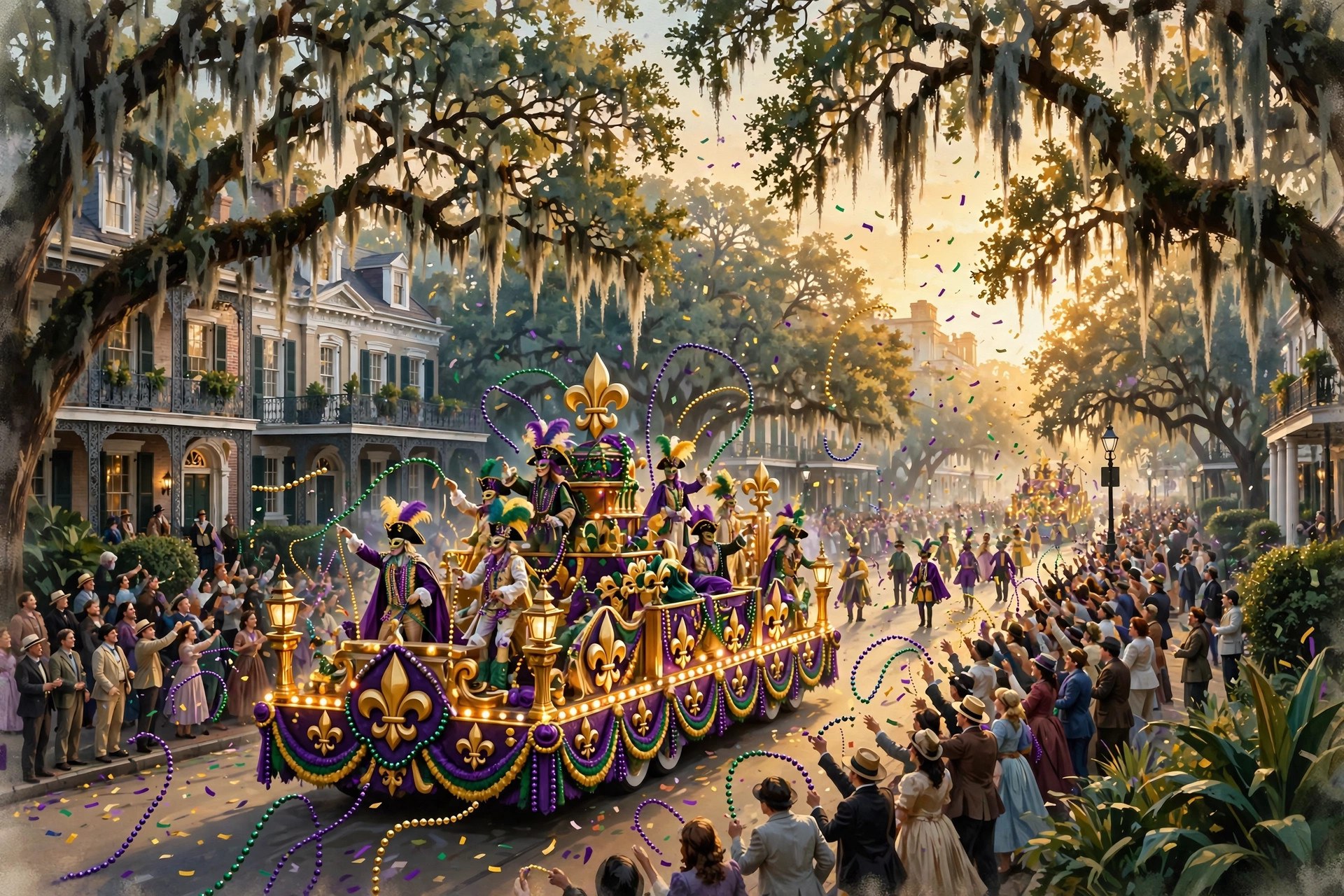
Mardi Gras is the famous one, but French Quarter Fest, Jazz Fest, ESSENCE, and Decadence fill the calendar. Build the trip around the event.
Planning your trip
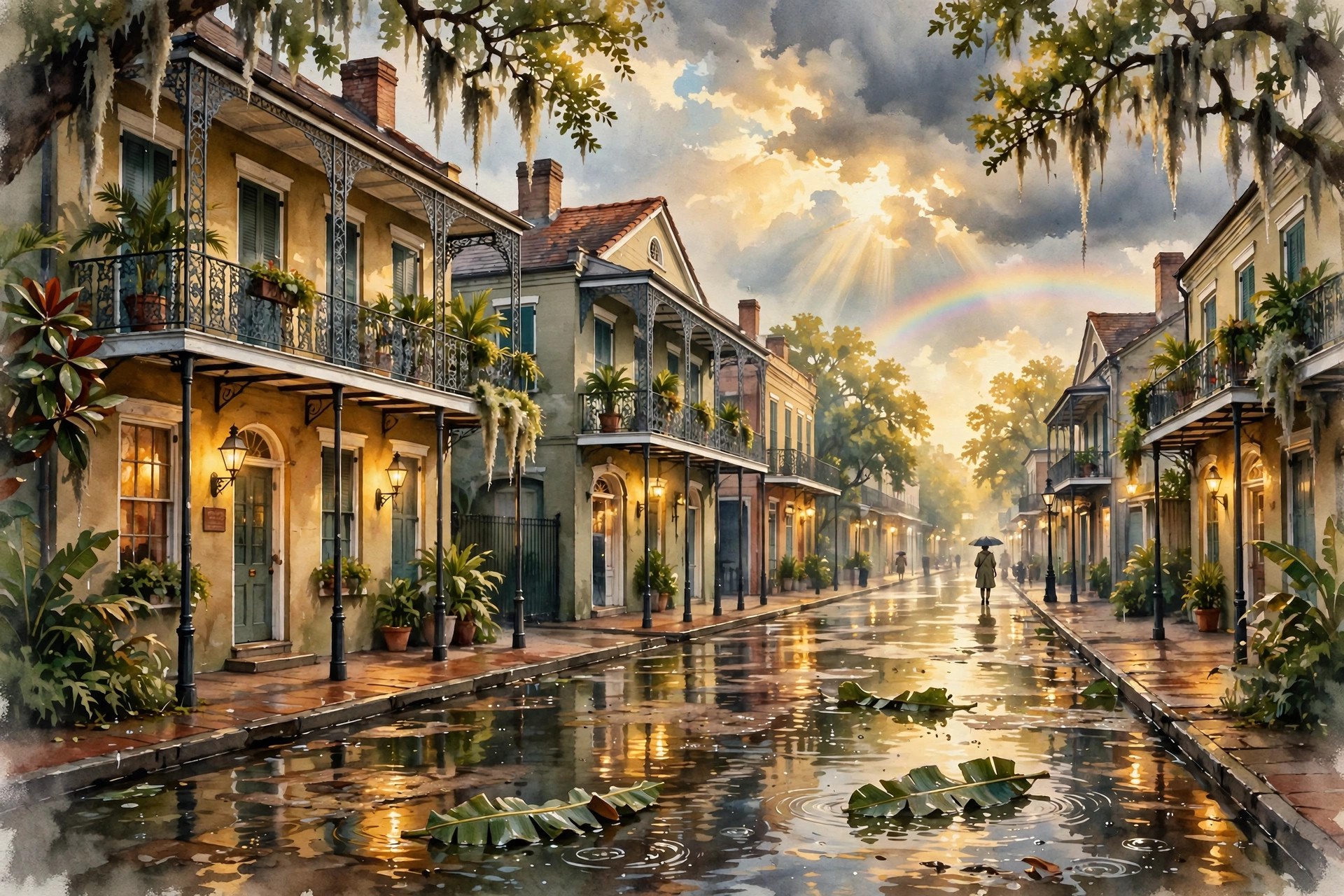
March–April for the classic trip, October–November for the sweet spot, summer for bargains with trade-offs. Hurricane season, dated plainly.
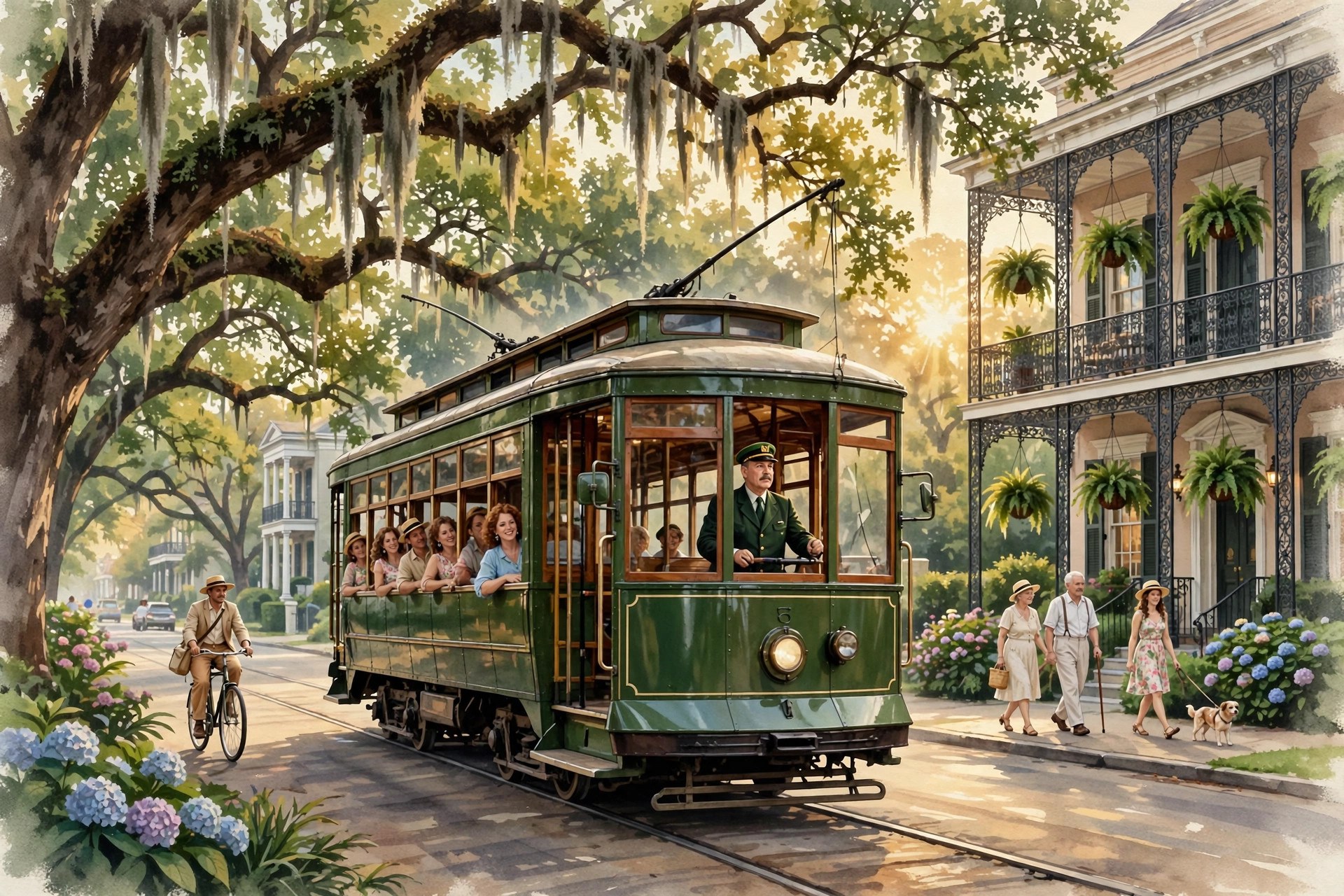
Skip the car: streetcars, the Le Pass app, the Algiers ferry, and your own two feet. Fares checked October 2026.
Safety, hurricanes, heat, tipping, and traveling gently in a city where neighborhoods are homes first. The practical layer, dated honestly.
How to use this guide
Start with When to Go to fix your dates around the festival calendar, because festivals move hotel rates sharply and consume whole days. Then pick your base: the Quarter or CBD for a first visit, the Marigny for a music-first trip, the Garden District or Uptown for quiet, Mid-City for a week-long stay. Getting Around shows why you probably don't need a car. The neighborhood guides tell you what each part of the city actually is; the theme guides tell you how to spend your evenings and your appetite.
Every fact that matters is dated. Figures from the RTA and other official sources are marked verified as of October 2026; festival dates and as-reported figures carry a "check before you go" flag. Where no reliable figure exists, we say so instead of inventing one.
Why New Orleans, why now
The culture is the product, and it is still alive. Jazz, brass bands, Black Masking Indian processions, second lines: these are community institutions first and visitor experiences second. That is increasingly rare in American tourism, and it is the entire reason to come.
Creole is not Cajun, and the distinction matters. The city is fundamentally a Creole and Black Atlantic city with substantial Cajun influence, not simply Cajun country. Understanding that sentence will improve every meal and every museum visit on your trip. The food and culture notes explain why.
Katrina is living history, not a closed chapter. In August 2005, levee failures flooded most of the city and scattered its people, including its musicians, across the country. Tremé, the Lower Ninth Ward, and the musician community carry it most visibly. Visit with that history in mind, and be wary of any tour that treats it as spectacle.
The calendar is the strategy. March through April is the best all-around window; late October through November is the best alternative. Summer brings real bargains and real heat. Festival travelers should price exact lodging dates before anything else, because the event moves the market.
Make This Trip Real: New Orleans
Our paid trip guides pair the reel with the reality — dated itineraries, real costs, booking links. The New Orleans editions are in production now.
No paid placements yet — when affiliate links go live here, they will be disclosed.